
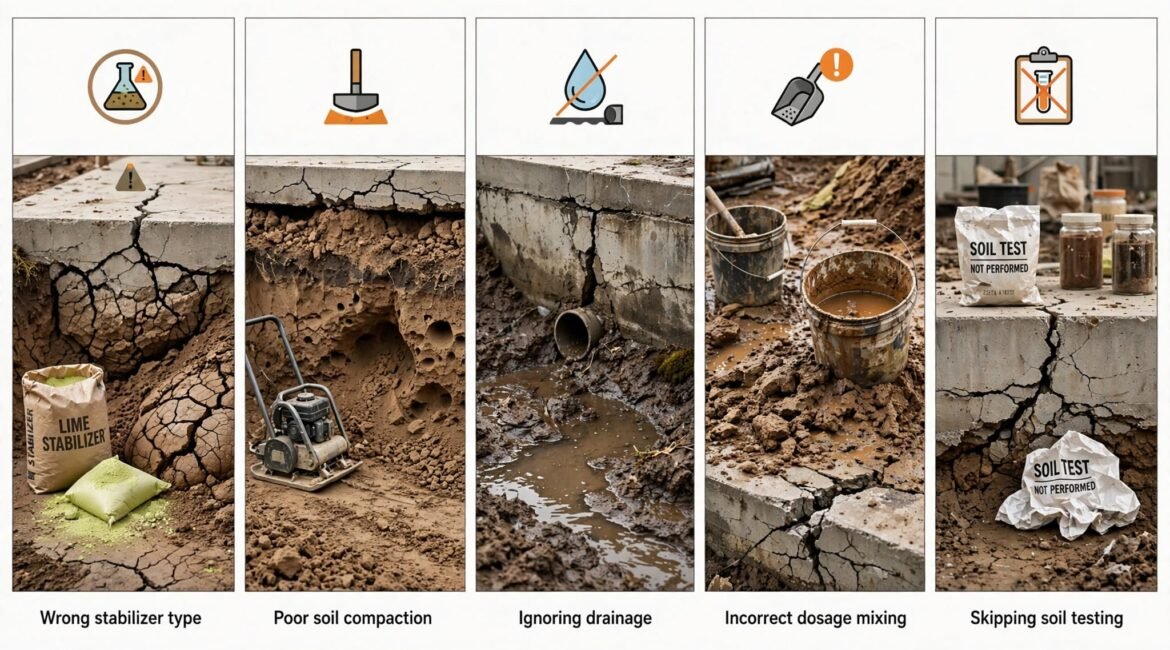
Soil Stabilizers for Foundations prevent the cracks that destroy buildings from the ground up. Foundation cracks terrify property owners. Walls split open. Floors become uneven. Doors and windows stop working properly. Water seeps into basements. The structural integrity of the entire building comes into question.
These solutions solve these problems when applied correctly. But mistakes happen constantly. Contractors cut corners. Property owners choose cheap options. Critical steps get skipped. The five shocking mistakes outlined below cause foundation cracks regularly.
Understanding these mistakes prevents expensive failures. Soil Stabilizers for Foundations require careful attention to detail. What works on roads fails on foundations. What succeeds on slopes produces disasters under buildings. Recognizing these differences protects structures for decades.
Skipping Geotechnical Investigation
These treatments cannot be selected properly without understanding the soil beneath. Skipping geotechnical investigation ranks as the most common and most damaging mistake. Contractors sometimes assume soil conditions based on neighboring properties. Property owners sometimes trust visual inspection alone.
Soil conditions vary dramatically over short distances. What exists at one address may differ completely from soil at the next property. Clay deposits appear in pockets. Sand lenses interrupt clay layers. Rock formations create irregular patterns. Soil Stabilizers for Foundations must match actual site conditions.
Geotechnical investigation reveals critical information. Soil type, plasticity, moisture content, and bearing capacity all affect stabilizer performance. Expansive clays need different treatment than sandy soils. Organic deposits require special approaches.
The cost of investigation seems significant until compared with failure costs. Foundation repairs run into tens of thousands of dollars. Structural damage threatens occupant safety. Soil Stabilizers for Foundations selected without investigation risk catastrophic failure.
Professional geotechnical engineers provide essential guidance. Their analysis determines appropriate stabilizer types and application rates. Product recommendations based on testing achieve reliable results.
Choosing the Wrong Stabilizer Type
Soil Stabilizers for Foundations come in several formulations, and each works differently. Selecting the wrong type guarantees failure regardless of application quality. This mistake destroys foundations regularly.
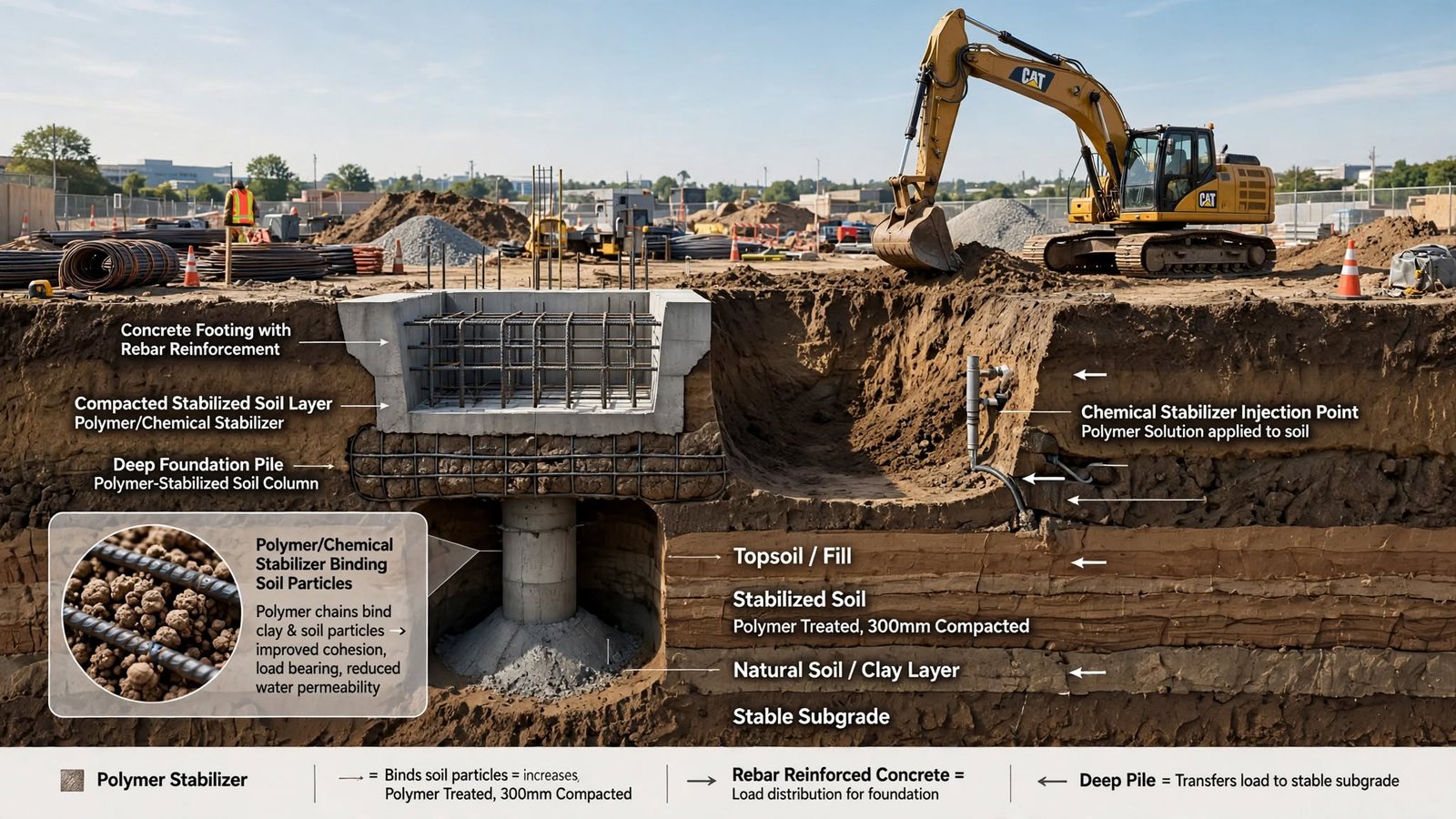
Lime-based Soil Stabilizers for Foundations work best on expansive clays. The lime reduces swelling potential dramatically. Treated clay stops moving with moisture changes. Foundations stay stable as a result.
Cement-based Soil Stabilizers for Foundations perform well on many soil types. The cement creates strong bonds between particles. Treated soils develop significant strength. Treatments using cement require adequate moisture for proper reactions.
Polymer Soil Stabilizers for Foundations offer effective solutions for specific conditions. These synthetic products bind particles through physical mechanisms. Polymer stabilization works where cement proves impractical. Product selection should consider polymer options.
Enzymatic Soil Stabilizers for Foundations work through biological mechanisms. These products modify clay surface properties permanently. The effects last for years when properly applied.
Wrong stabilizer selection creates problems rather than solving them. Lime on sandy soils wastes money. Cement on organic soils never achieves strength. Such treatments must match soil conditions precisely.
Ignoring Proper Application Depth
Soil Stabilizers for Foundations must extend to adequate depth for proper support. Foundation loads transfer through stabilized layers to underlying soils. Inadequate depth allows settlement and cracking.
Building loads determine required treatment depth. Light structures need shallower stabilization. Heavy buildings require deeper treatment. Treatment depth must match structural requirements.
Expansive clay depth matters enormously. The active zone where moisture changes occur may extend several feet. Soil Stabilizers for Foundations must reach through this entire zone. Shallow treatment leaves active clay below that continues moving.
Geotechnical analysis determines appropriate depth. Soil borings reveal the extent of problem materials. Engineering calculations establish treatment requirements. Treatments applied at proper depth provide reliable support.
Application depth errors cause foundation failures. Shallow treatment creates crust effects. The thin stabilized layer cracks under load. Material below shifts and settles. Stabilization at inadequate depth wastes money and endangers structures.
Poor Moisture Control During Application
Soil Stabilizers for Foundations require specific moisture conditions for effectiveness. Too dry prevents chemical reactions from proceeding. Too wet dilutes stabilizers below effective concentrations. Moisture control determines success or failure.
Lime-based treatments need moisture for chemical reactions. The lime must hydrate properly to achieve stabilization. Inadequate moisture leaves lime unreacted and ineffective.
Cement-based Soil Stabilizers for Foundations require water for hydration. The cement needs proper moisture to develop strength. Treatments using cement demand careful moisture management.
Polymer solutions need moisture for proper dispersion. Dry conditions prevent polymer distribution. The stabilizer concentrates in isolated areas. Uniform stabilization requires adequate moisture throughout.
Weather affects moisture conditions constantly. Rain adds unwanted water. Dry weather removes needed moisture. Contractors using specialized equipment must respond to changing conditions. Soil Stabilizers for Foundations application demands flexibility and attention.
Neglecting Long-Term Performance Monitoring
Soil Stabilizers for Foundations provide long-term solutions but require ongoing attention. Many property owners assume stabilization lasts forever. This assumption leads to expensive failures years after treatment.
Soil Stabilizers for Foundations performance should be verified periodically. Testing confirms continued effectiveness. Samples can be analyzed for stabilizer content. Strength testing reveals any degradation.
Environmental changes affect the stabilized soil over time. Drought conditions alter soil structure. Flooding introduces moisture that affects stabilizers. Temperature extremes stress stabilized materials. These factors require monitoring.
Soil Stabilizers for Foundations maintenance requirements vary by product type. Some installations need periodic reapplication. Others require only monitoring. Understanding maintenance needs prevents unexpected problems.
Stabilization failures often occur gradually. Small problems develop into major issues. Regular inspections detect these problems early. Early intervention prevents extensive damage.
Documentation helps track treatment performance. Records of application details aid future decisions. Photos document initial conditions. Testing records show changes over time.
Soil Stabilizers for Foundations work effectively when applied correctly. The five mistakes above cause foundation cracks regularly. Skipping investigation risks selecting wrong products. Choosing wrong stabilizer types guarantees failure. Ignoring proper depth allows settlement and cracking. Poor moisture control prevents proper reactions. Neglecting monitoring allows failures to develop.
These solutions require careful selection based on testing. Laboratory analysis identifies appropriate products. Professional guidance ensures correct choices.
Soil Stabilizers for Foundations demand proper application techniques. Correct moisture enables reactions. Adequate depth provides support. Thorough mixing ensures uniform treatment.
These treatments need ongoing attention. Regular inspections detect problems early. Periodic testing verifies effectiveness. Maintenance programs protect investments.
Soil Stabilizers for Foundations have solved countless foundation challenges. Proper use saves property owners enormous repair costs. Understanding the mistakes allows avoidance of common problems.
Property owners building on problem soils should prioritize stabilization. The investment protects foundations for decades. The five shocking mistakes can be avoided with proper education. Such methods work effectively when applied correctly. Foundation cracks become preventable rather than inevitable.
Soil Stabilizers for Foundations have transformed construction on problematic soils. Modern products outperform older solutions dramatically. Application techniques have improved significantly. Understanding current best practices ensures successful outcomes.
Soil Stabilizers for Foundations continue evolving. New products offer improved performance. Better application techniques emerge regularly. Staying informed prevents costly mistakes. The right approach to foundation stabilization protects structures permanently.
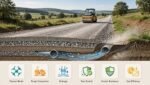

[…] Soil Stabilizers for Dirt Roads end the dust nightmare that ruins summers for rural communities. Dust from unpaved roads coats everything within hundreds of feet. Homes turn gray. Lawns suffocate. Windows stay closed all season. Breathing becomes difficult for anyone with respiratory conditions. Visibility drops to dangerous levels when wind kicks up loose surface material. […]
[…] Soil Stabilizers for Parking Lots cut construction costs dramatically while delivering better performance than conventional methods. Parking lot construction drains budgets quickly. Excavation costs pile up. Imported base materials add thousands in expenses. Asphalt or concrete surfaces require expensive installation. The total price tag shocks property owners expecting reasonable numbers. […]