
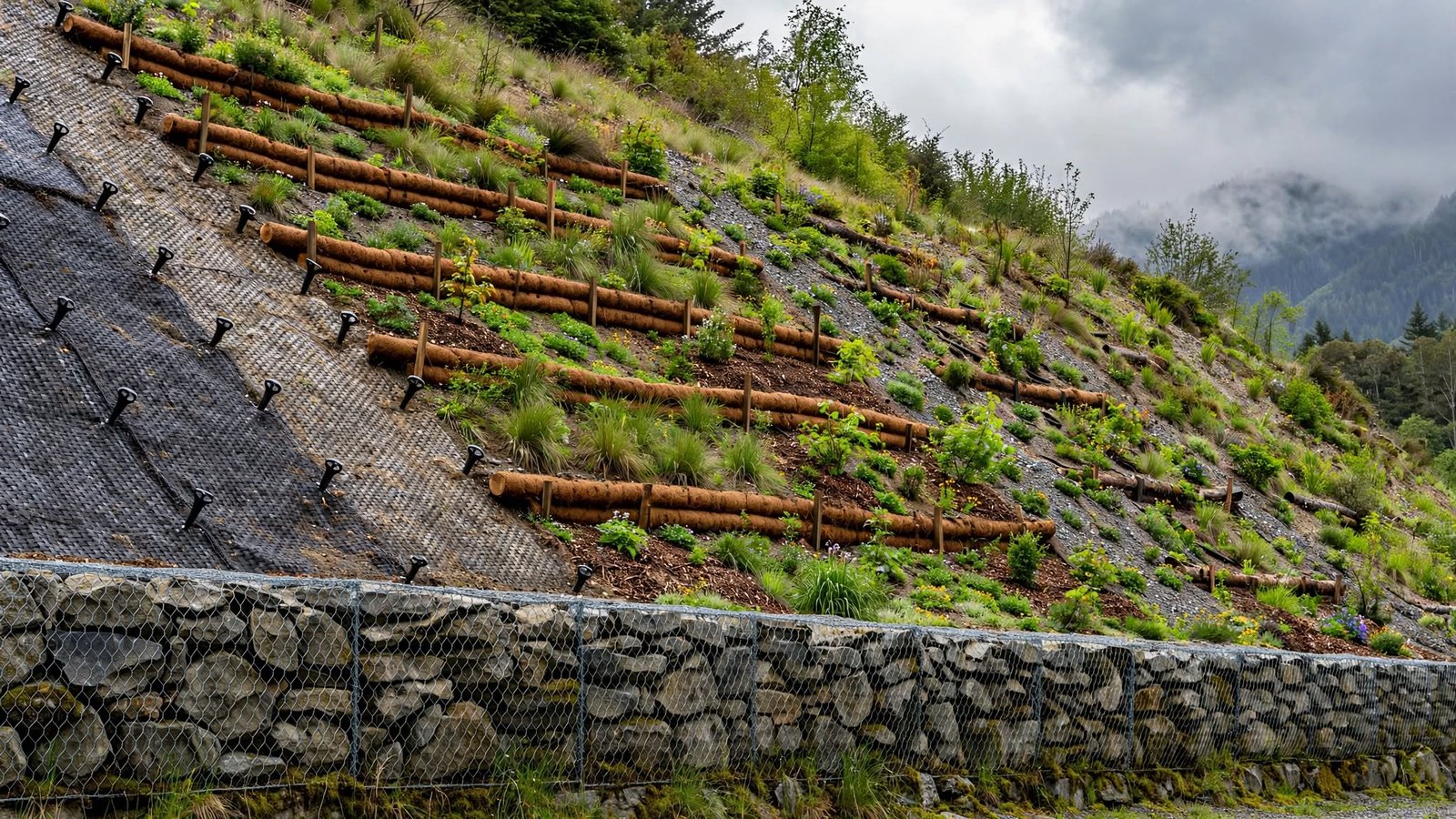
Soil stabilizers have completely changed how property owners deal with slope erosion. Anyone who has ever owned land with steep slopes understands the constant battle. Every heavy rain event washes away precious topsoil. Deep gullies form where smooth slopes once existed. Driveways crack and shift as supporting ground disappears beneath them. Foundations become compromised when surrounding soil slowly erodes away.
The damage extends far beyond aesthetics. Eroding slopes threaten buildings, roads, and agricultural productivity. Repair costs easily run into thousands of dollars for even modest properties. Insurance claims related to slope failure have increased dramatically in recent years. Insurance companies now scrutinize slope conditions before writing policies for hillside properties.
Soil stabilizers change this picture completely. These products hold soil in place through various mechanisms. Some bind particles together chemically. Others create physical barriers that resist water flow. Still others work through biological processes that strengthen soil naturally over time.
The right stabilizer depends on multiple factors. Slope conditions vary enormously. Budget constraints affect choices. Long-term goals determine whether temporary or permanent solutions make sense. Quick fixes work for temporary situations. Permanent solutions require more substantial investment. Understanding these differences prevents costly mistakes.
This guide explores seven proven approaches that deliver real results. Each method has specific applications where it excels. Knowing when to use each approach makes all the difference between success and failure.
Organic Tackifiers for Immediate Slope Protection
Freshly seeded slopes face the highest erosion risk during the first few weeks. Rain hits exposed soil with tremendous force. Dislodged seeds wash downhill before roots can develop. Organic soil stabilizers solve this problem effectively and naturally.
These tackifiers work like natural glue. The sticky film adheres to soil particles and anchors seeds firmly in position. Young plants get the protection they need during those critical early days. Roots remain shallow and vulnerable during this period.
Plantago insularis seed extract performs exceptionally well in this role. When mixed with water and sprayed onto slopes, the material forms a protective crust. This crust resists raindrop impact effectively. Seeds stay where they belong rather than washing into drainage ditches below.
The protection period lasts roughly three to six months. This timeframe works perfectly for most vegetation establishment. By that time, permanent vegetation has typically developed root systems deep enough to take over erosion control duties. The organic tackifier breaks down naturally through biological processes. Nothing harmful remains behind.
Application requires judgment and practical experience. Too little tackifier allows erosion to continue unabated. Too much creates different problems entirely. Excessive application blocks seed germination and prevents water penetration. Professional applicators adjust rates based on slope steepness, soil texture, and expected rainfall patterns.
Environmental benefits make organic soil stabilizers especially attractive near sensitive areas. Streams, lakes, and residential properties benefit from natural products. Chemical runoff concerns disappear entirely. The biodegradable nature ensures nothing persists to harm aquatic life. Drinking water supplies remain protected.
Cost considerations often surprise first-time buyers. Organic products typically cost more per unit than synthetic alternatives. However, environmental compliance costs factor into the equation. Organic options frequently prove more economical in the long run when all costs get included.
Synthetic Polymers for Challenging Slopes
Some slopes simply cannot wait for vegetation to establish. Steep hillsides present immediate challenges. Active construction sites need instant protection. Areas with intense rainfall require robust solutions. Synthetic soil stabilizers step in where organic options prove insufficient.
Polyacrylamide leads the pack in this category. These long polymer chains bind soil particles together at the molecular level. The resulting structure resists washout effectively. Even the most intense rain events cannot devastate properly treated slopes.
The chemistry behind synthetic polymers matters significantly. Different formulations suit different soil conditions. Anionic polymers generally perform best across most soil types. Cationic variants raise concerns near water sources. These should remain far away from sensitive environments.
Application rates vary dramatically based on site conditions. Some slopes need only fifty pounds per acre. Others require ten times that amount. The right rate depends on multiple factors. Soil characteristics influence effectiveness. Slope steepness affects requirements. Expected rainfall patterns determine necessary protection levels.
One major advantage sets synthetic soil stabilizers apart from other options. Protection lasts one to three years in most conditions. This extended duration suits infrastructure projects admirably. Temporary stabilization during construction phases benefits greatly. Projects lasting months or even years get consistent protection.
Critics raise legitimate concerns about environmental persistence. The same durability that provides long protection means polymers remain in the soil. Manufacturers have responded to these concerns. Biodegradable formulations now maintain effectiveness while reducing accumulation problems.
Performance data tells a compelling story. Proper application reduces erosion by eighty to ninety percent. Untreated slopes suffer devastating losses. Treated slopes remain stable and productive. These dramatic reductions translate to real money saved. Reduced sediment removal costs add up quickly. Avoided regulatory penalties prevent unexpected expenses. Prevented downstream damage saves substantial amounts.
Cementitious Binders for Permanent Stabilization
Some slopes demand permanent solutions that last decades. Critical infrastructure cannot tolerate repeated treatments. Highway embankments need reliable protection. Dam slopes require absolute stability. Bridge abutments demand permanent fixes. Cementitious soil stabilizers provide exactly what these projects require.
Portland cement, lime, and fly ash transform loose soil into solid ground. Chemical reactions create crystalline networks between particles. These bonds remain permanent indefinitely. The resulting strength often exceeds what natural compaction could ever achieve. Mechanical compaction alone cannot match cementitious treatment results.
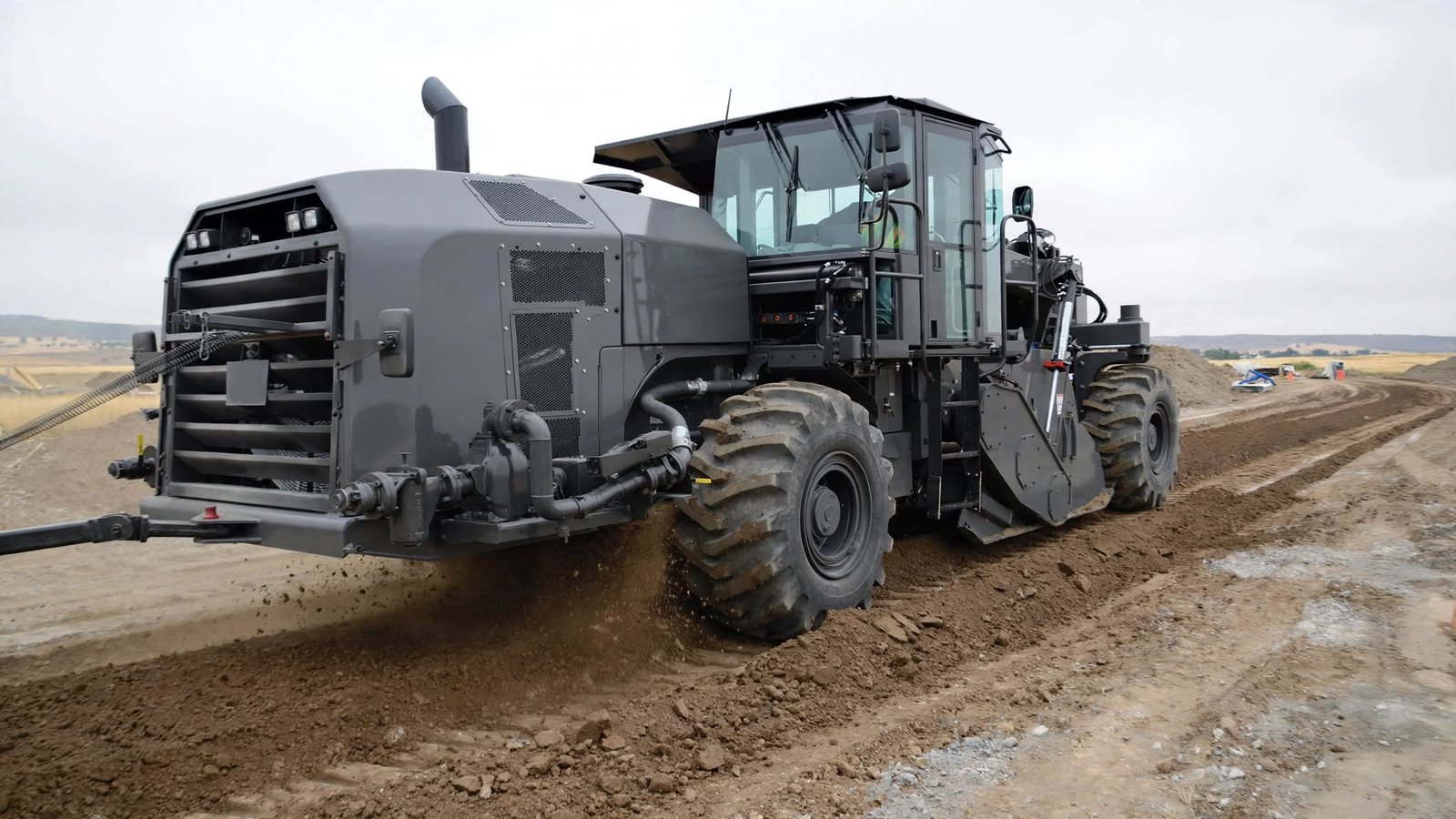
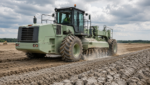
The application process differs markedly from other methods. Specialized equipment mixes binder material directly with existing soil. Thorough mixing ensures uniform distribution throughout the treatment depth. Water addition activates the chemical reactions that create permanent bonds. The right moisture content proves essential for success.
Curing conditions significantly affect final results. Temperature influences reaction rates. Humidity affects how quickly water evaporates. Proper curing periods must be respected before slopes face any loading. Patience during curing prevents future problems.
Economic considerations favor cementitious soil stabilizers for long-term projects. Higher upfront costs get offset by decades of maintenance-free service. Annual reapplication expenses disappear entirely. Infrastructure agencies understand this value proposition. They routinely specify cementitious treatments for their most critical slopes.
Soil chemistry can complicate things significantly. High organic matter content interferes with cementitious reactions. Sulfates similarly disrupt the hardening process. Testing identifies these challenges before application begins. Preventing costly failures starts with proper testing.
The ability to use on-site soil provides additional benefits. Importing expensive aggregate materials becomes unnecessary. Existing soil gets stabilized effectively. This approach reduces direct costs substantially. The carbon footprint associated with material transport also decreases.
Geosynthetic Reinforcement Systems
Surface protection alone sometimes proves insufficient for challenging slopes. Sites facing both surface erosion and deep-seated instability need comprehensive solutions. Geosynthetic reinforcement combined with soil stabilizers addresses both problems effectively.
Geotextiles and geogrids provide the structural backbone. These materials hold steep slopes together effectively. Tensile reinforcement prevents movement that would otherwise occur. Soil stabilizers protect the surface from rainfall impact. Runoff erosion gets controlled effectively.
Cellular confinement systems deserve special attention. These honeycomb structures confine soil within individual cells. Downhill movement gets prevented completely. Each cell holds its contents firmly in place. Soil stabilizers bind particles together within the cells.
The system handles slopes up to sixty degrees with proper design. That is substantially steeper than what vegetation alone can protect. Construction sites with limited available land find this capability especially valuable. Maximizing usable space becomes possible even on challenging terrain.
Installation requires attention to numerous details. Proper anchoring at the slope crest prevents uplift forces. Toe anchoring similarly prevents movement at the bottom. Drainage layers behind the reinforcement prevent water pressure buildup. Hydrostatic pressure could undermine the entire structure without proper drainage.
Higher initial costs represent the main drawback of geosynthetic approaches. However, the ability to use steeper slopes often reduces overall land requirements significantly. Construction projects constrained by property boundaries find these systems more economical. Environmental buffers similarly benefit from reduced land disturbance.
Long-term performance records demonstrate the effectiveness of properly installed geosynthetic systems. Many installations continue functioning effectively decades after construction. Minimal maintenance requirements throughout their service lives. The investment continues paying dividends year after year.
Vegetation Establishment Techniques
Sustainable slope protection ultimately comes from living plants. Root systems hold soil permanently in place. Once vegetation establishes properly, erosion control becomes self-sustaining. Minimal ongoing intervention gets required. Soil stabilizers provide critical support during the vulnerable establishment period.
Seed selection makes a huge difference in outcomes. Native species typically outperform introduced varieties. Local conditions shaped their evolution over millennia. Slope aspect influences which species thrive. Elevation affects temperature and moisture availability. Regional climate patterns guide species selection decisions.
Soil stabilizers formulated for vegetative applications include more than simple binders. Nutrients support rapid growth and establishment. Water-holding polymers maintain moisture during dry spells. Young plants get stressed without adequate moisture. Bio-stimulants promote strong root development that anchors the slope permanently.
Timing significantly affects establishment success. Simultaneous application of seed and soil stabilizers provides immediate protection. Ground disturbance gets minimized through combined application. Hydroseeding stands out as the most efficient method for many projects. Everything combines in a single operation that covers large areas quickly.
Coverage quality distinguishes hydroseeding from other approaches. The liquid application reaches every part of the slope. Areas inaccessible to ground equipment get treated properly. This uniform coverage promotes consistent vegetation establishment. The entire slope surface benefits from thorough treatment.
Regular monitoring catches problems early before they become serious. Inspections during the first growing season identify problem areas. Vegetation failure becomes apparent quickly. Prompt intervention with additional soil stabilizers prevents small problems from escalating. Supplemental seeding addresses gaps in coverage.
Chemical Modifiers for Problematic Soils
Not all erosion problems stem from physical factors. Some soils erode because their chemical makeup makes them inherently vulnerable. Chemical soil stabilizers address these underlying issues directly at the molecular level.
Sodic soils provide a classic example of chemical erosion problems. These soils contain high sodium levels that cause clay particles to disperse. Dispersed particles wash away easily with water flow. Gypsum applications displace sodium ions effectively. Clay particles then flocculate into larger aggregates that resist erosion.
Other chemical treatments work through different mechanisms. Some modify soil pH to improve stability. Acidic soils benefit from lime applications. Alkaline soils respond to sulfur treatments. Enhanced cation exchange capacity strengthens soil structure significantly. Each approach targets specific soil chemistry issues.
Soil testing identifies the right treatment for each situation. Generic applications risk failure or even make problems worse. Laboratory analysis reveals the specific imbalances that need correction. Treatment selection follows logically from test results.
Professional assistance proves valuable in this area. Many commercial laboratories offer specialized testing packages. Erosion control applications require specific analyses. The cost of testing gets quickly recovered through successful treatment outcomes. Results that last for years justify the initial investment.
Environmental considerations matter greatly when selecting chemical soil stabilizers. Some treatments can mobilize heavy metals that affect water quality. Nutrients similarly get released through certain treatments. Treatment selection should balance erosion control objectives with water resource protection.
Newer chemical formulations emphasize environmental compatibility. These products provide effective stabilization without introducing harmful substances. The trend toward greener chemistry benefits project outcomes and environmental protection equally.
Combined Approaches for Maximum Effectiveness
The most successful slope stabilization projects use multiple approaches together. Different soil stabilizers address different failure mechanisms. Their combined effect exceeds what any single approach could achieve independently.
A typical combination might include cementitious treatment for core strength. Synthetic polymers provide surface protection. Vegetation ensures long-term stability. This layered strategy provides robust protection under a wide range of conditions. Simpler approaches would get defeated by challenging circumstances.
Designing combined systems requires understanding product interactions thoroughly. Some soil stabilizers react poorly with others. Compatibility problems undermine the entire project. Testing prevents costly mistakes before they occur. All components must work together effectively.
Economic justification comes from reduced maintenance requirements over time. Higher initial costs get offset by fewer reapplication needs. Infrastructure agencies managing long-term slope assets increasingly recognize this value. Combined approaches reduce overall lifecycle costs.
Combined approaches reduce overall failure risk significantly. If one component underperforms, others continue providing protection. This redundancy matters enormously for critical infrastructure. Slope failure would create unacceptable consequences for these projects.
Monitoring combined installations requires understanding component interactions. Early detection of problems allows timely intervention. Failure cascades get prevented through early action. Documentation of treatment performance contributes to evolving best practices.
Practical experience increasingly demonstrates the value of comprehensive approaches. Engineers and contractors routinely specify combined treatments for challenging projects. The results justify the additional investment through reliably stable slopes.
Soil stabilizers have fundamentally transformed how slope erosion gets managed across various applications. The seven approaches described here offer practical solutions for every situation. Success depends on matching the right approach to specific slope conditions. Project requirements similarly influence method selection. Many projects achieve the best results by combining multiple methods. Reliance on a single approach often proves insufficient for challenging slopes. The investment in proper slope stabilization pays for itself through avoided damage. Reduced long-term costs provide ongoing benefits. Extended service life of protected assets delivers lasting value.

[…] Soil Stabilizers vs. Geotextiles – this comparison confuses more project managers than almost any other erosion control decision. The price tags on geotextile rolls look reasonable at first glance. The installation seems straightforward enough. The perceived permanence appeals to decision makers seeking simple solutions. But the numbers tell a very different story once all factors get examined properly. […]