
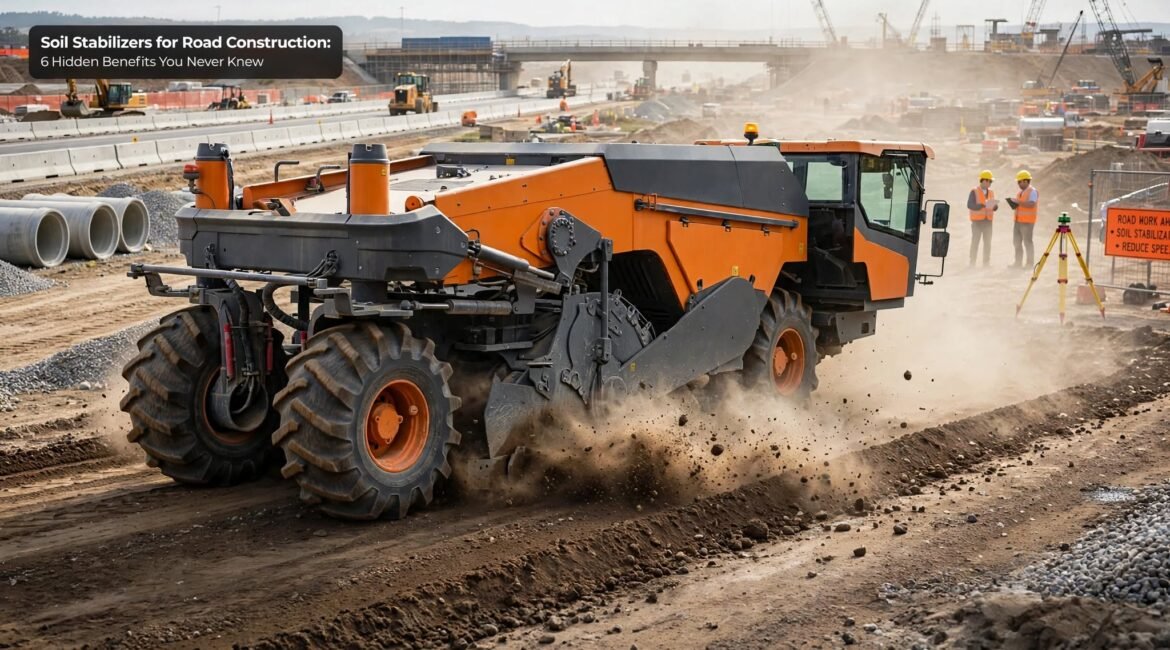
Soil Stabilizers for Road Construction have changed the game for modern road building. Yet most contractors only know the basics. They understand these products make weak soils stronger. But the real advantages go much deeper than that.
Road projects face endless headaches. Budgets get squeezed. Schedules slip. Soil conditions turn out worse than expected. The old solution meant hauling in good material from miles away and carting off bad soil to some dump site. That approach costs fortunes and creates endless logistical nightmares.
Soil Stabilizers for Road Construction offer a better way. The benefits reach far beyond simple soil improvement. Cost savings appear in unexpected places. Environmental advantages pile up. Long-term performance surprises even seasoned engineers. Understanding these hidden benefits changes how projects get planned and executed.
The six hidden benefits below come from real project experience. Soil Stabilizers for Road Construction deliver value that keeps giving long after the paving crews leave. These advantages accumulate from day one and continue paying off for decades.
Dramatically Reduce Material Hauling Costs
Bringing in gravel and crushed stone from distant quarries eats up huge portions of road construction budgets. Trucking costs often exceed the material costs themselves. Fuel prices keep climbing. Driver shortages drive up freight rates. Road damage from heavy haul trucks creates additional expenses for local agencies.
Soil Stabilizers for Road Construction eliminate most of this hauling. The soil already sitting on site gets treated and used. What would have been discarded becomes valuable base material. The savings from reduced trucking typically cover the entire stabilizer cost and then some.
Projects far from material sources benefit most. Remote road construction once seemed impossibly expensive. Now Soil Stabilizers for Road Construction make these projects feasible. The logistics get simpler too. Fewer trucks mean less traffic disruption and fewer community complaints.
The environmental angle matters as well. Every truck trip avoided means less fuel burned and fewer emissions released. Soil Stabilizers for Road Construction support green building goals while saving money. That combination rarely happens in construction.
Significantly Extend Pavement Service Life
Roads fail when their bases give way. Weak subgrades cause cracking, rutting, and potholes. The pavement surface might look fine while the base underneath slowly deteriorates. Soil Stabilizers for Road Construction create strong bases that last.
Proper stabilization provides uniform support across the entire road width. No weak spots develop where water collects or traffic concentrates. The stabilized layer distributes loads evenly, reducing stress on the pavement above. This even support prevents the differential settlement that destroys most roads.
Research shows stabilized roads last twice as long as conventionally built roads under similar conditions. That means fewer reconstruction projects and more money left for other needs. Maintenance budgets stretch further when roads require less frequent attention.
Soil Stabilizers for Road Construction also resist moisture damage. Unstabilized bases soften when wet, leading to premature failure. Stabilized materials maintain their strength through wet seasons. The road stays drivable when other roads become muddy and impassable.
Enable Construction on Challenging Soils
Some sites look impossible for road construction. Highly plastic clays swell when wet and shrink during drought. Organic soils compress under weight. Expansive materials crack pavements within months. These conditions once meant abandoning sites or spending fortunes on soil replacement.
Soil Stabilizers for Road Construction change that reality. Proper stabilization tames even the most problematic soils. Clay becomes manageable. Organic content gets neutralized. Expansive materials stop moving. Sites that seemed impossible become buildable.
The cost implications are enormous. Soil Stabilizers for Road Construction eliminate the need for importing suitable fill material. What would have been excavated and hauled away gets treated and used. Projects in remote locations become feasible when stabilization makes local soils workable.
Engineers now specify these stabilizers for challenging sites as standard practice. The technology has proven itself repeatedly. What once seemed risky is now routine. Problem soils no longer stop road projects from moving forward.
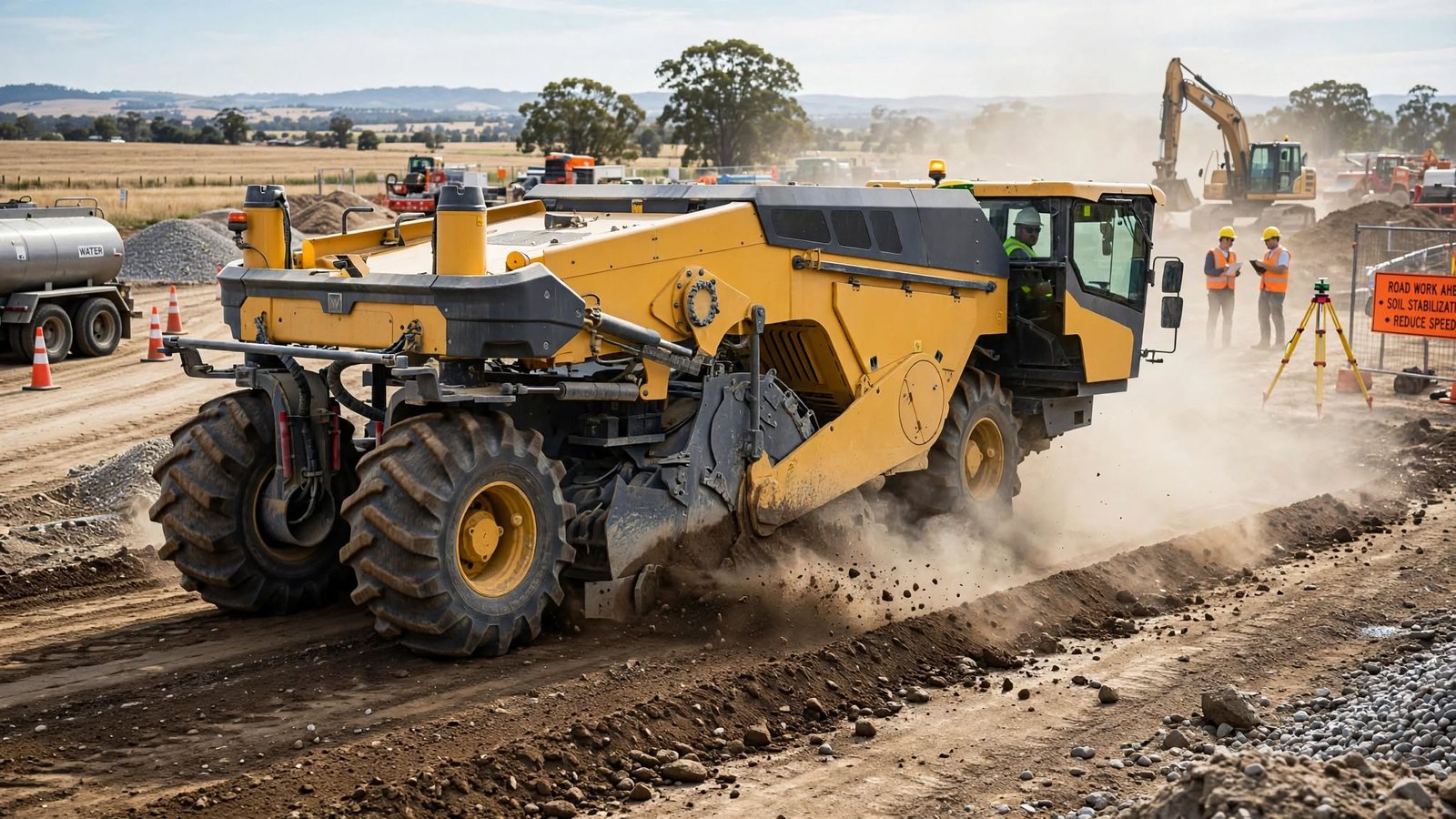
Accelerate Construction Schedules
Adding a stabilization step might seem like it would slow things down. The opposite actually happens. Soil Stabilizers for Road Construction speed up overall project delivery.
The biggest time savings come from eliminating material importation. Waiting for truckloads of gravel to arrive causes endless delays. Weather affects quarry operations. Traffic slows deliveries. Soil Stabilizers for Road Construction use what is already on site.
Weather delays become less problematic too. Stabilized materials resist rain damage better than untreated soils. Construction continues through light rain that would shut down conventional operations. Projects stay on track despite weather challenges.
Faster completion means lower overhead costs. Crews move on to other work sooner. Community disruption ends earlier. Businesses along the route suffer less from extended closures. Everyone benefits when Soil Stabilizers for Road Construction keep projects moving.
Improve Environmental Performance
Construction projects face increasing environmental scrutiny. Regulations keep getting tighter. Community expectations keep rising. Soil Stabilizers for Road Construction help meet these demands.
Reduced hauling cuts carbon emissions substantially. Fewer truck trips mean less fuel burned and less air pollution. The environmental footprint shrinks significantly compared to conventional construction methods.
Soil Stabilizers for Road Construction also reduce waste. Excavated unsuitable soils get treated and reused rather than landfilled. This waste reduction conserves landfill space and eliminates disposal costs. Construction sites generate less material that leaves the property.
Erosion control improves dramatically with stabilization. Treated surfaces resist rainfall impact and runoff. Sediment leaving construction sites decreases substantially. Nearby streams and water bodies stay cleaner. Environmental compliance becomes easier with Soil Stabilizers for Road Construction.
Lower Long-Term Maintenance Requirements
Maintenance costs consume massive portions of road agency budgets. Pothole patching, crack sealing, and resurfacing never seem to end. Soil Stabilizers for Road Construction reduce these ongoing expenses significantly.
Stabilized bases resist the common problems that generate maintenance work. Potholes form less frequently. Edge deterioration slows. Surface cracking decreases. The need for routine maintenance drops substantially.
The moisture resistance of Soil Stabilizers for Road Construction prevents the softening that leads to rutting and shoving. Pavements remain smooth and even with less intervention. Resurfacing intervals extend far beyond what conventional roads achieve.
Winter damage decreases dramatically with proper stabilization. Freeze-thaw cycles cause less disruption. Frost heave gets minimized. Spring maintenance workloads drop significantly. Soil Stabilizers for Road Construction pay for themselves through reduced maintenance year after year.
Soil Stabilizers for Road Construction deliver advantages that go far beyond simple soil improvement. The six hidden benefits outlined above show the full value of proper stabilization. Cost savings from reduced hauling alone often justify the investment. Extended service life provides additional economic returns.
Challenging soils no longer prevent successful road construction. Soil Stabilizers for Road Construction make difficult sites buildable. Schedules improve through faster operations and fewer weather delays. Environmental performance meets increasing regulatory demands.
Soil Stabilizers for Road Construction reduce maintenance requirements substantially. Agency budgets benefit from lower ongoing costs. The cumulative savings over a road’s service life far exceed the initial stabilization investment.
Contractors who understand these benefits gain real competitive advantages. Soil Stabilizers for Road Construction represent proven technology. Modern formulations outperform older products. Applications continue improving.
Soil Stabilizers for Road Construction should be considered for every project. The hidden benefits apply across a wide range of conditions. Experienced road builders recognize the value. New users get pleasantly surprised by the results.
The six benefits above only begin to tell the story. These stabilizers continue evolving. New advantages keep emerging. Forward-thinking contractors embrace this technology and reap the rewards.

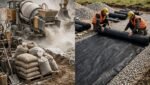
[…] Soil Stabilizers for Sandy Soil can make the difference between a successful project and a complete disaster. Sandy ground presents unique challenges that catch many builders off guard. The particles shift constantly. Water drains too quickly. Loads sink without warning. What looks like solid ground turns into a nightmare once construction begins. […]