
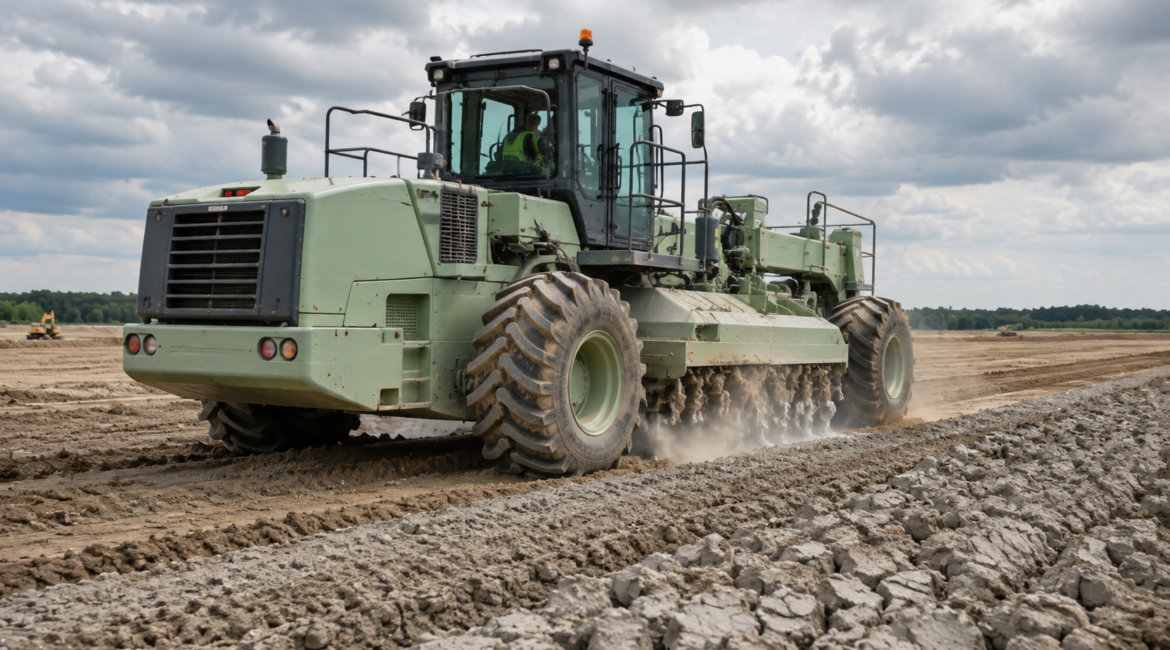
Soil Stabilizers for Clay have become essential tools for property owners dealing with problematic clay soils. Anyone who has built on clay ground knows the nightmares. Cracks appear in walls without warning. Floors become uneven and slope dangerously. Doors stop closing properly as foundations shift. The damage happens slowly at first, then accelerates dramatically.
Soil Stabilizers for Clay address these problems effectively when applied correctly. But mistakes during selection or application can make things worse. Badly chosen stabilizers actually increase foundation problems rather than solving them. Improper application creates new issues that cost thousands to repair.
The three critical mistakes outlined below destroy foundations regularly. Property owners make these errors despite good intentions. Contractors sometimes recommend wrong approaches due to inexperience. Understanding these mistakes prevents expensive foundation failures.
Choosing the Wrong Type of Soil Stabilizers for Clay
These stabilizers come in many formulations. Each type works differently with various clay conditions. Selecting the wrong product guarantees failure regardless of application quality.
Lime stands out as the most common Soil Stabilizers for Clay option. Lime reacts chemically with clay particles. The reaction reduces plasticity and increases strength dramatically. But lime works best on highly plastic clays with significant swelling potential. Using lime on low-plasticity clays wastes money and produces minimal improvement.
Cement offers another popular Soil Stabilizers for Clay choice. Cement creates permanent bonds between clay particles. The resulting material resembles weak concrete. However, cement performs poorly on organic clays. The organic matter interferes with cement hydration reactions. Strength development suffers significantly.
Polymers represent newer stabilization options. These synthetic products bind particles through physical mechanisms rather than chemical reactions. Polymers work on most clay types but require precise application rates. Too little polymer fails to stabilize adequately. Too much creates slippery conditions that worsen stability.
Enzymatic Soil Stabilizers for Clay use biological mechanisms. These products alter clay surface properties permanently. The effects last for years when properly applied. However, enzymatic stabilizers require specific moisture conditions. Dry clays resist treatment effectiveness. Wet clays dilute the product beyond usefulness.
The wrong selection creates foundation problems rather than solving them. Lime on unsuitable clays causes excessive cracking. Cement on organic clays never achieves adequate strength. Polymers applied incorrectly leave clay more unstable than before. Enzymatic treatments on wrong moisture conditions produce minimal improvement.
Understanding clay properties prevents selection mistakes. Laboratory testing identifies clay type and characteristics. Professional guidance ensures appropriate Soil Stabilizers for Clay selection. Skipping these steps invites foundation failures.
Ignoring Proper Application Techniques for Soil Stabilizers for Clay
Soil Stabilizers for Clay fail more often from poor application than product defects. Even the best stabilizer cannot compensate for incorrect installation. Application techniques determine success or failure regardless of product quality.
Mixing represents the first critical application step for these treatments. Inadequate mixing leaves untreated pockets throughout the clay. These untreated areas continue swelling and shrinking. Foundation movement continues despite treatment. Thorough mixing ensures uniform stabilization throughout the treatment depth.
Moisture content affects Soil Stabilizers for Clay application dramatically. Most stabilizers require specific moisture ranges for effectiveness. Too dry prevents chemical reactions from proceeding. Too wet dilutes the stabilizer below effective concentrations. Achieving proper moisture requires careful monitoring and adjustment.
Curing conditions influence final results for Soil Stabilizers for Clay. Temperature affects reaction rates. Cold weather slows curing dramatically. Hot weather accelerates curing but risks premature drying. Proper curing conditions must be maintained throughout the stabilization process.
Compaction completes the stabilizer application process. Proper compaction achieves maximum density and strength. Insufficient compaction leaves voids that reduce effectiveness. Excessive compaction can destroy the soil structure. Finding the right compaction level requires experience and testing.
Application depth deserves careful consideration for Soil Stabilizers for Clay. Shallow treatment addresses only surface problems. Deep foundations need stabilization at significant depths. Treatment depth must match foundation requirements. Inadequate depth leaves deeper clay layers untreated and problematic.
Ignoring any application step compromises the entire stabilization effort. Poor mixing leaves untreated areas. Wrong moisture prevents proper reactions. Inadequate curing reduces final strength. Insufficient compaction creates weak spots. All steps must be performed correctly.
Professional applicators understand these requirements. Experienced contractors using specialized equipment avoid common application mistakes. Hiring qualified applicators prevents failures. Attempting DIY stabilization of clay foundations usually ends badly.
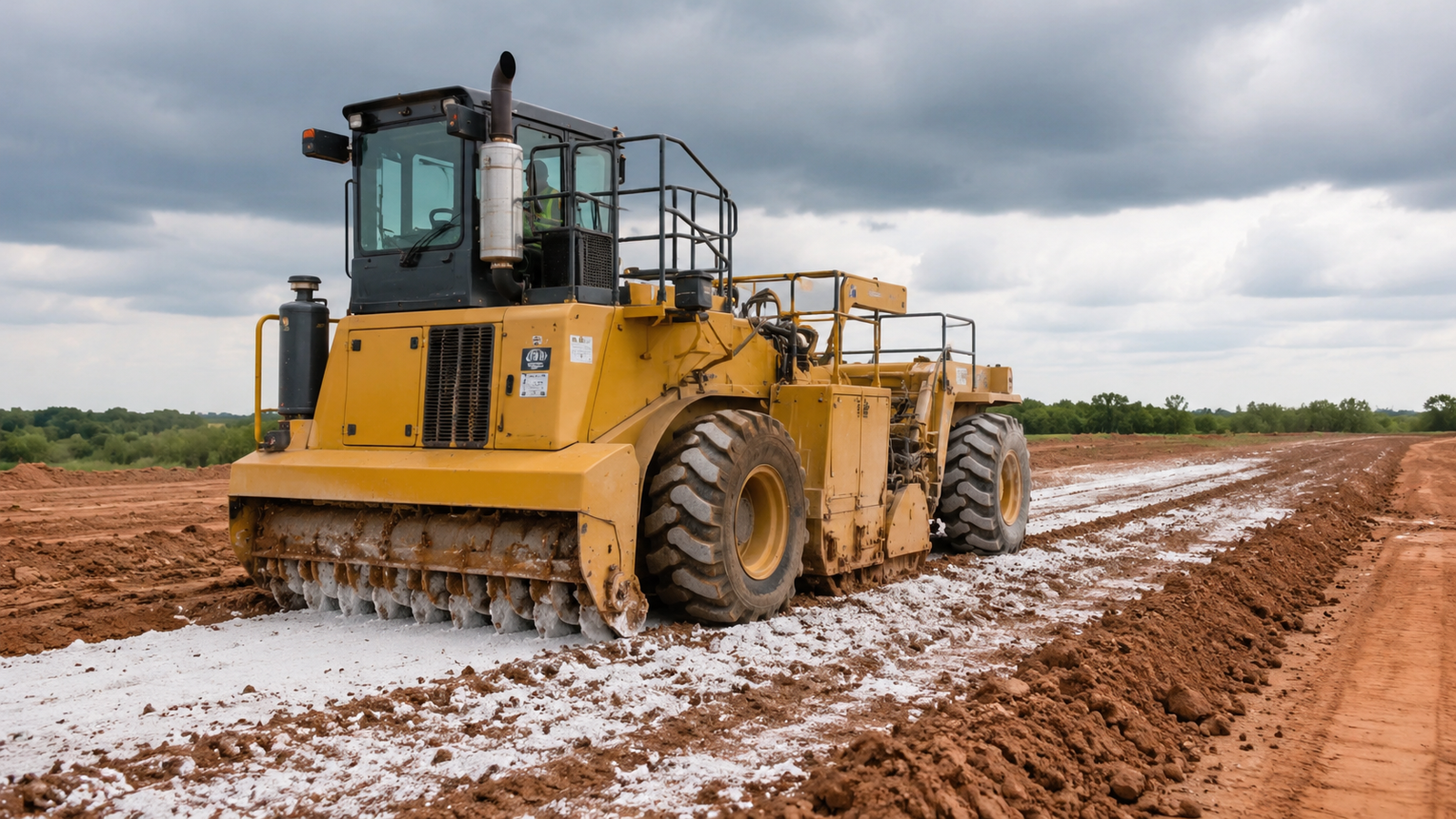
Underestimating Long-Term Requirements for Soil Stabilizers for Clay
Soil Stabilizers for Clay provide long-term solutions but require ongoing attention. Many property owners assume stabilization lasts forever. This assumption leads to expensive foundation failures years after treatment.
Some treatments degrade over time. Organic stabilizers break down naturally. Enzymatic treatments eventually lose effectiveness. Even chemical stabilizers can weaken under certain conditions. Understanding product longevity prevents surprise failures.
Soil Stabilizers for Clay can be affected by environmental changes. Drought conditions shrink clay regardless of stabilization. Flooding introduces moisture that affects stabilizer performance. Temperature extremes stress stabilized clay. These environmental factors cannot be ignored.
Maintenance requirements vary by product. Some need periodic reapplication. Others require monitoring without reapplication. Understanding maintenance needs prevents unexpected problems. Regular inspections identify issues before foundation damage occurs.
Soil Stabilizers for Clay performance should be verified periodically. Testing confirms continued effectiveness. Samples can be analyzed for stabilizer concentration. Strength testing reveals any degradation. This verification protects foundations from hidden problems.
Product warranty periods provide guidance. Most manufacturers specify expected service life. Property owners should understand these timeframes. Planning for replacement or reapplication avoids surprises. Foundations deserve protection throughout their service life.
Treatment documentation helps track performance. Records of application details aid future decisions. Photos document initial conditions. Testing records show changes over time. This documentation proves valuable for maintenance planning.
Such failures often occur years after application. Owners forget about the treatment. Regular monitoring would detect problems early. Early detection prevents extensive foundation damage. Neglect transforms minor issues into major failures.
Soil Stabilizers for Clay require respect as ongoing solutions. They solve problems but need attention. Treating them as permanent fixes invites disaster. Foundation protection demands ongoing commitment.
Soil Stabilizers for Clay offer effective solutions for problematic foundations. The three mistakes described above destroy foundations regularly. Choosing wrong products wastes money and time. Ignoring proper application techniques guarantees failures. Underestimating long-term requirements leads to expensive surprises.
Soil Stabilizers for Clay require careful selection based on clay properties. Laboratory testing identifies appropriate products. Professional guidance ensures correct choices.
These stabilizers demand proper application techniques. Thorough mixing achieves uniform treatment. Correct moisture content enables proper reactions. Adequate curing develops full strength. Proper compaction achieves maximum density. All steps must be performed correctly.
Soil Stabilizers for Clay need ongoing attention. Regular inspections detect problems early. Periodic testing verifies continued effectiveness. Maintenance programs protect foundations long-term. Documentation helps track performance and plan future actions.
Soil Stabilizers for Clay have prevented countless foundation failures. Proper use saves property owners enormous repair costs. Understanding the mistakes allows avoidance of common problems. Successful stabilization requires knowledge, care, and commitment.
Property owners building on clay ground should prioritize stabilization. The investment protects foundations for decades. The three critical mistakes can be avoided with proper education. Soil Stabilizers for Clay work effectively when applied correctly. Foundation failures become preventable rather than inevitable.
Soil Stabilizers for Clay have transformed construction on problematic soils. Modern products outperform older solutions dramatically. Application techniques have improved significantly. Understanding current best practices ensures successful outcomes. Foundations on clay ground no longer need to be risky.
Soil Stabilizers for Clay continue evolving. New products offer improved performance. Better application techniques emerge regularly. Staying informed prevents costly mistakes. The right approach to clay stabilization protects foundations permanently.

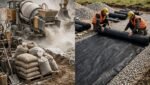
[…] Soil Stabilizers That Work have become the backbone of modern road construction and maintenance. Road builders face constant challenges from weak subgrades, heavy traffic loads, and harsh weather conditions. Poor soil conditions cause roads to fail within months rather than years. The costs of frequent repairs drain budgets and frustrate commuters endlessly. […]